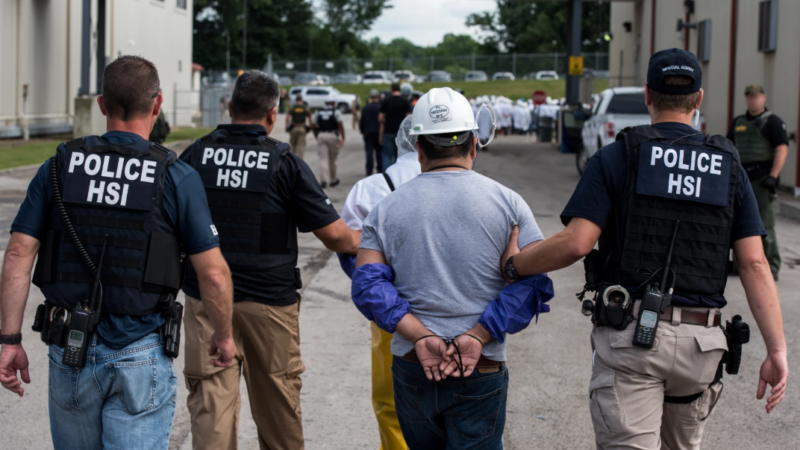
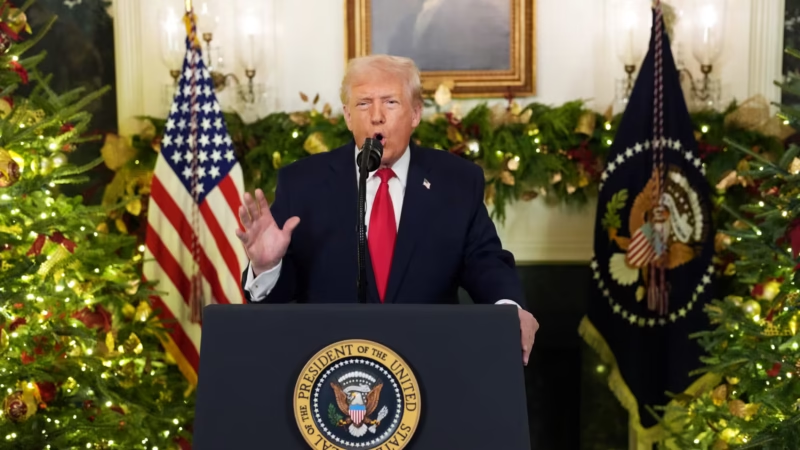
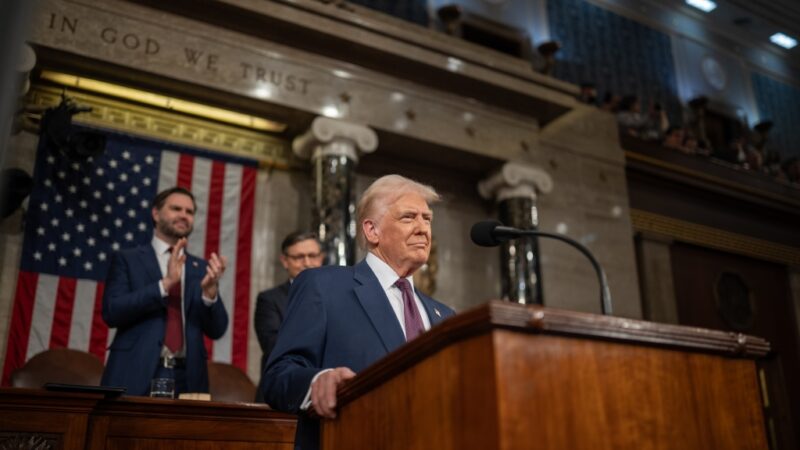
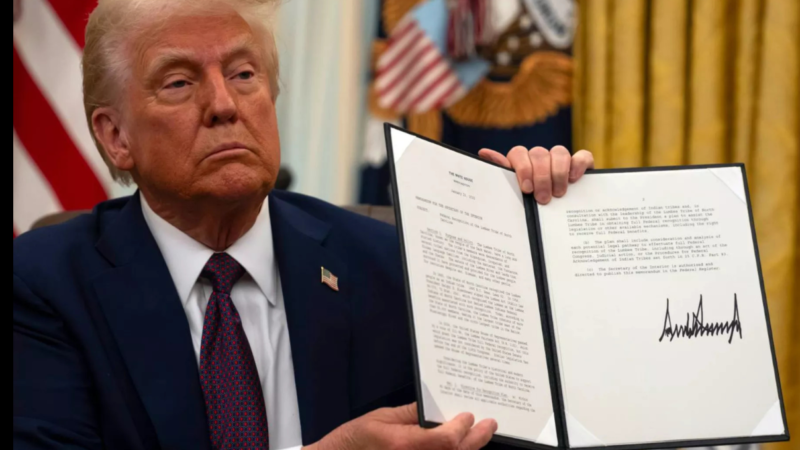
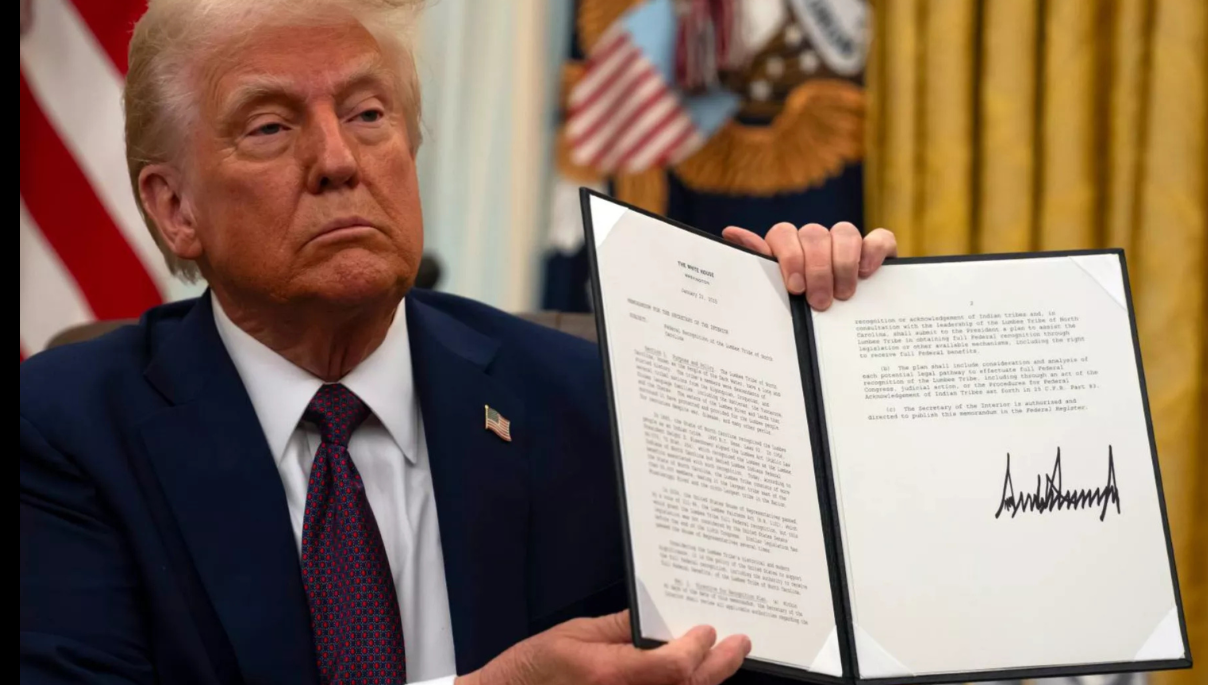
President Donald Trump has reignited a heated national debate by signing an executive order that seeks to end birthright citizenship for children born in the United States to parents who are in the country illegally or who are temporarily present under nonimmigrant visas. The order, titled Protecting the Meaning and Value of American Citizenship, represents one of the most controversial immigration actions of his presidency. Wikipedia
Under the long-standing interpretation of the 14th Amendment to the U.S. Constitution, nearly everyone born on U.S. soil automatically receives American citizenship, regardless of their parents’ immigration status. Trump’s order challenges that interpretation, asserting that the citizenship guarantee should not extend to children born to unauthorized immigrants or temporary visitors unless at least one parent is a U.S. citizen or lawful permanent resident. Wikipedia
The administration argues that this change is necessary to curb illegal immigration and preserve the integrity of American citizenship. White House officials have said that treating birthright citizenship as automatic for all U.S.-born children has created incentives for unlawful entry and undermines immigration law enforcement. They maintain the executive order is consistent with their view of constitutional text. Wikipedia
However, the order has immediately faced intense legal challenges from civil rights groups, immigrant advocates, and a coalition of state attorneys general. Critics argue that a president cannot unilaterally reinterpret or override the Constitution through an executive action. They contend that birthright citizenship is a foundational American principle that has stood for more than a century and that attempts to strip it away are unconstitutional. Legal Defense Fund
Within months of its issuance, multiple federal judges blocked enforcement of the order, agreeing with challengers that the policy likely violates the Citizenship Clause of the 14th Amendment. Several courts issued nationwide injunctions preventing the administration from implementing the changes, saying it could leave thousands of U.S.-born children stateless and without fundamental rights. https://www.fox10tv.com
The legal fight escalated to the U.S. Supreme Court, which agreed to consider the question of whether the president has the authority to limit birthright citizenship by executive order. Lower courts have consistently rejected the administration’s constitutional interpretation so far, but the Supreme Court’s involvement means the issue could ultimately be decided at the highest judicial level. Fox News+1
Supporters of the order, including several Republican state attorneys general, have filed briefs backing the administration’s position and urging courts to uphold the change. They argue that the current interpretation of the 14th Amendment was mistaken and that focusing citizenship on children of lawful residents strengthens immigration policy and national identity. Fox News
Meanwhile, opponents, including the American Civil Liberties Union and immigrant-rights organizations, have mounted constitutional challenges, emphasizing that birthright citizenship is a core civil right that cannot be rescinded by executive fiat. They also stress the potential social and economic harm to families and communities if the policy were to succeed. Legal Defense Fund
The battle over birthright citizenship remains one of the most consequential legal disputes in recent years. As the Supreme Court prepares to rule, millions of Americans and immigrants alike are watching closely, aware that the outcome could reshape the nation’s understanding of citizenship and immigration law for generations to come.
