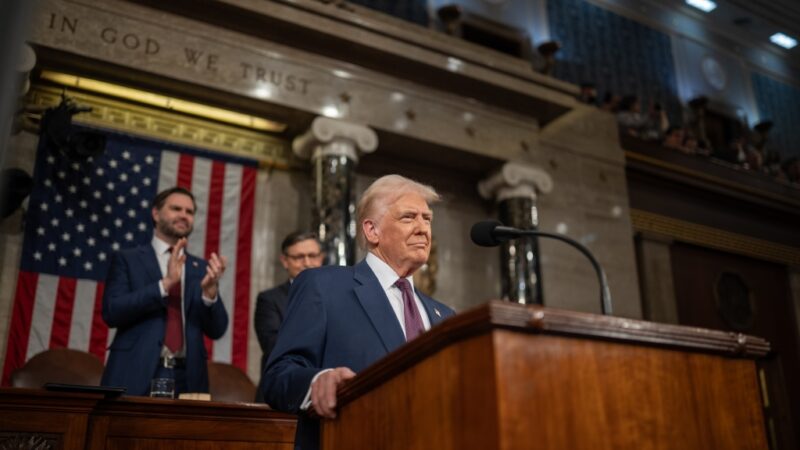
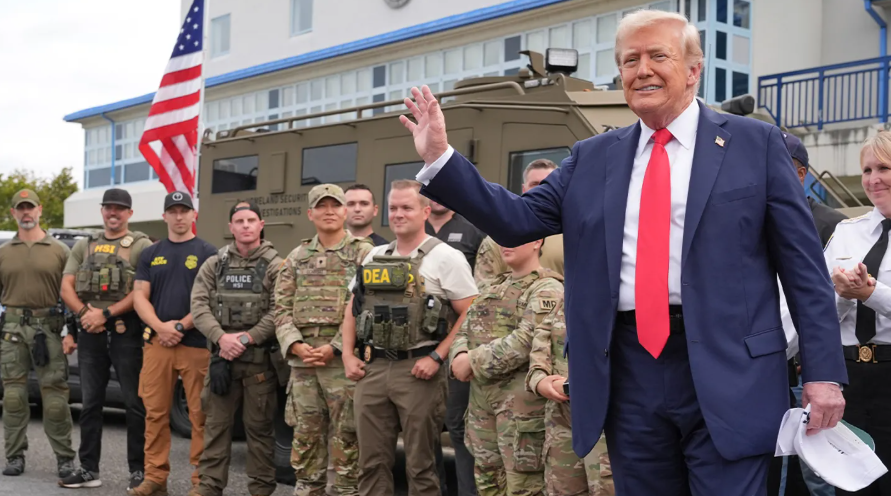
A federal appeals court has delivered a temporary legal victory for the Trump administration by permitting the continued deployment of National Guard troops in Washington, D.C. while legal challenges move forward in the courts. Reuters+1
The U.S. Court of Appeals for the District of Columbia Circuit ruled that the troop presence in the nation’s capital can remain in place pending further judicial review. This decision puts on hold a lower court’s earlier order that would have required thousands of National Guard members to leave the city. AP News
According to the appeals court, the unique legal status of the District of Columbia — which, unlike U.S. states, exists under direct congressional authority — gives the president exceptional power to station the National Guard there. The panel suggested that, on the current record, the administration is likely to succeed in defending the deployment. West Virginia Public Broadcasting
The ruling, issued by a three-judge panel including appointees from both Republican and Democratic administrations, emphasizes that abruptly ending the deployment could disrupt the lives of Guard members and their families who have already served for months. Democracy Docket
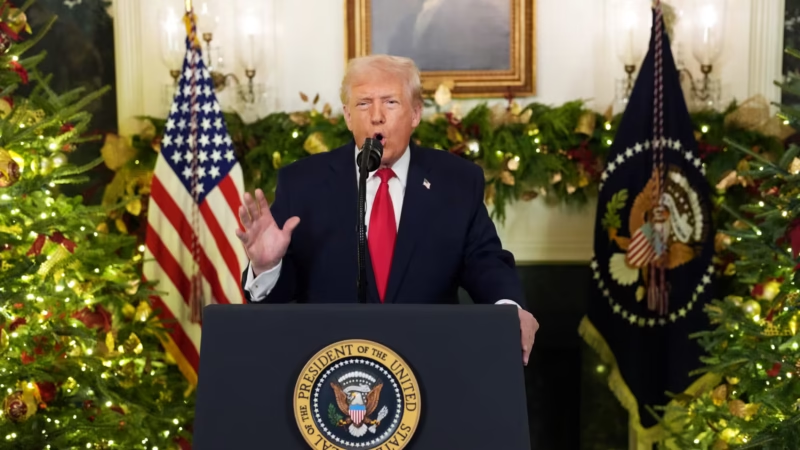
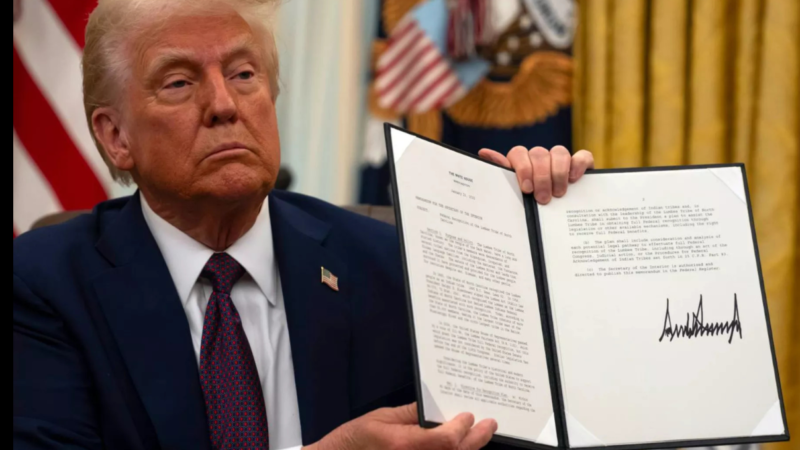
The deployment began in August 2025 when President Trump issued an executive order citing a rise in crime and authorizing federal assistance to local law enforcement in the capital. Hundreds of Guard troops from various states were brought in to support operations under that directive. AP News
The case originated with a lawsuit filed by the District of Columbia’s Attorney General, who argued that the deployment was unlawful and interfered with local authority. The appeals court’s decision does not settle the dispute on the merits but allows the Guard to remain in Washington at least until the courts have fully considered the legal arguments. Reuters
This legal battle continues amid broader debates over presidential authority and the use of military forces for domestic law enforcement — a topic that has drawn national attention as similar deployments have been challenged in other cities.